

Trust and human judgment are foundational to our business model; that isn’t corporate jargon. People who read San Antonio Review expect quality writing and to see our perspective reflected in the voice of our contributors. That’s the job of an editor. And one that readers trust us to do.
Part of publishing a piece is creating an image for it and promoting it on social media. This is work nobody wants to do because it isn’t central to what an editor’s essential mission is here at the journal. They want to read contributors’ work, not produce assets or manage social media.
So why do we make artwork for each piece? Why not just use stock? It’s a valid question. Stock can be faster if you are good at searching, but often the results fall flat regardless. It feels generic because the reader knows they are looking at stock imagery. This violates what we’re trying to do here. The images we use enhance the pieces; they elevate the reading experience without distracting from it. They also fulfill another crucial function. A custom image for a piece means we already have an asset we can re-purpose for social media.
Two types of images we make for prose & for poetry
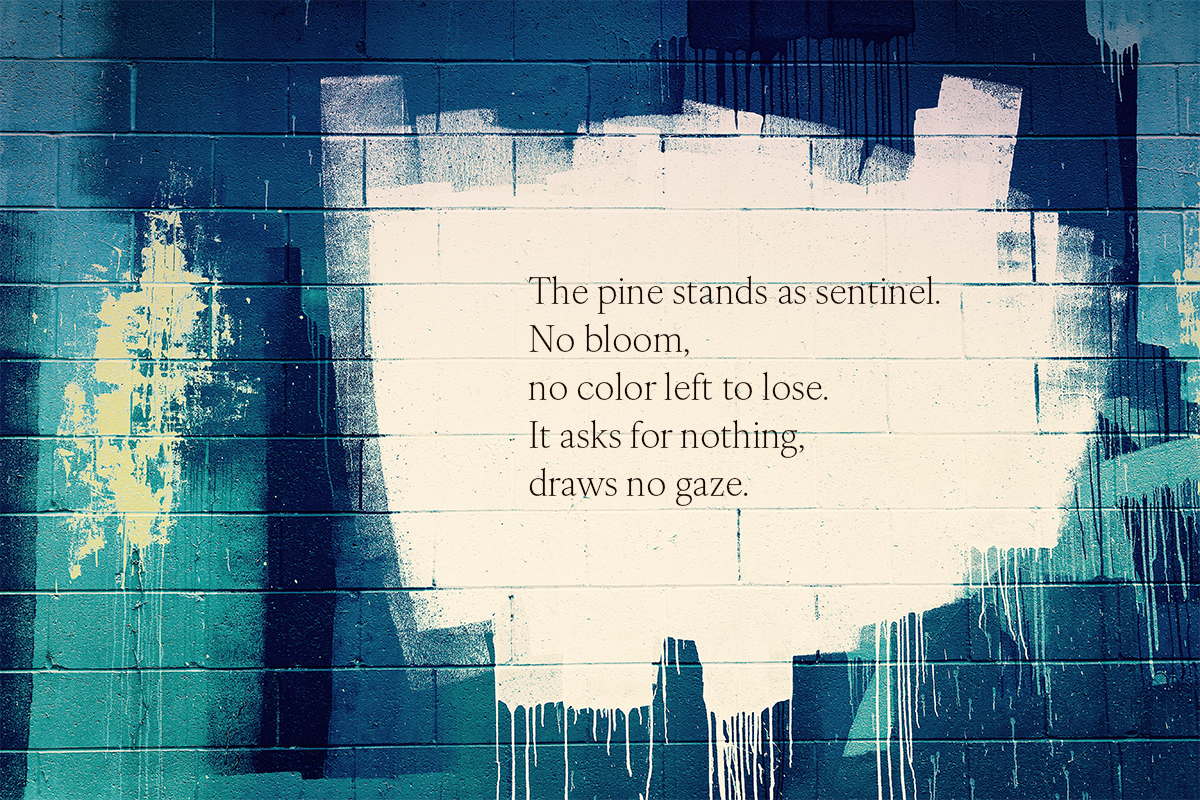
The place where this has the biggest impact on editors is in the poetry category. We publish a large volume, so the demand for images is steady. This was an area well-suited to automation, with human oversight. An agent generates an image for an editor to review, but the editor can regenerate it if it isn’t working or create one themselves.
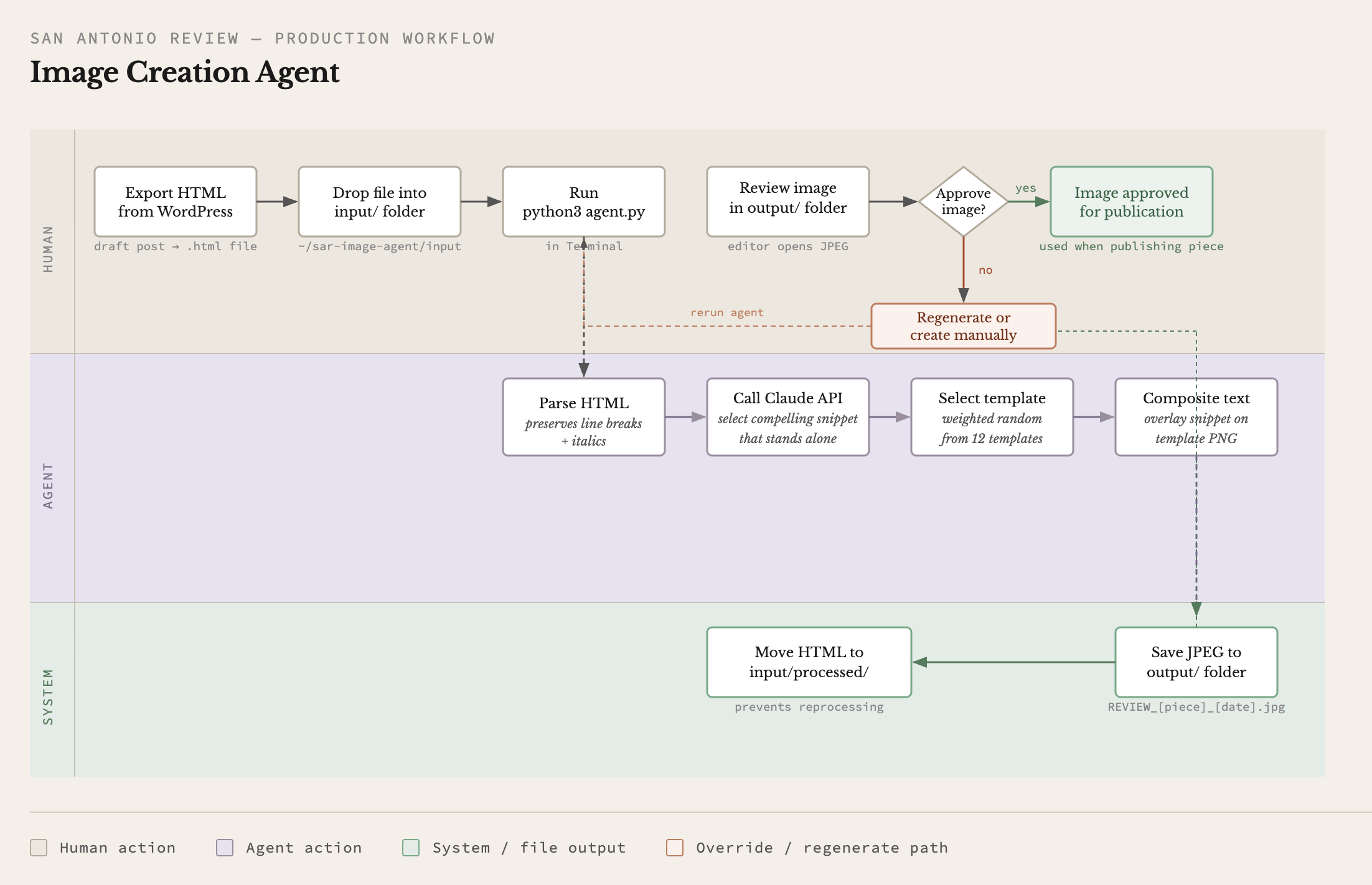
The process is straightforward. The agent scans a folder of HTML files containing poems, selects an image template, selects a snippet of the poem from the HTML file to overlay on the template, and outputs a JPEG to a different folder. Editors grab the outputs from there.
Detailed flow of agent creation
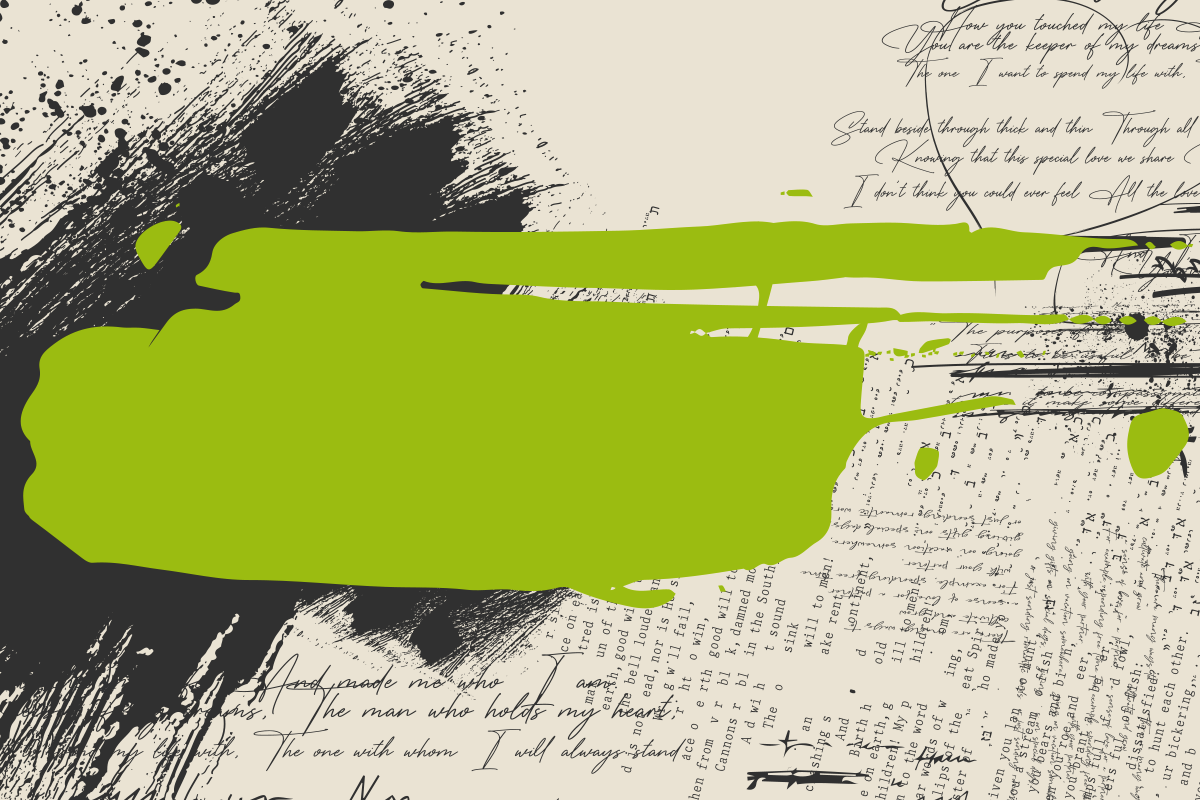
One of the templates. Text is overlaid on the empty area in green.
I used a structured file for the poems to maintain the line breaks and formatting from the original. Respecting the author’s intent is important, and formatting is crucial to meaning in poetry.
There are 17 templates for poetry images. The agent chooses randomly, but this is where editorial oversight comes in. If we don’t like the agent’s output or want to do something different, we do. This is why I chose editorial oversight over “agent automatically assigns an image”. This is a great case in point. The poem “If Only”. We would have missed a perfect image opportunity if we hadn’t used that template. And one that got a lot of traction on social media because it was the perfect pairing. It’s why human oversight matters.
If Only
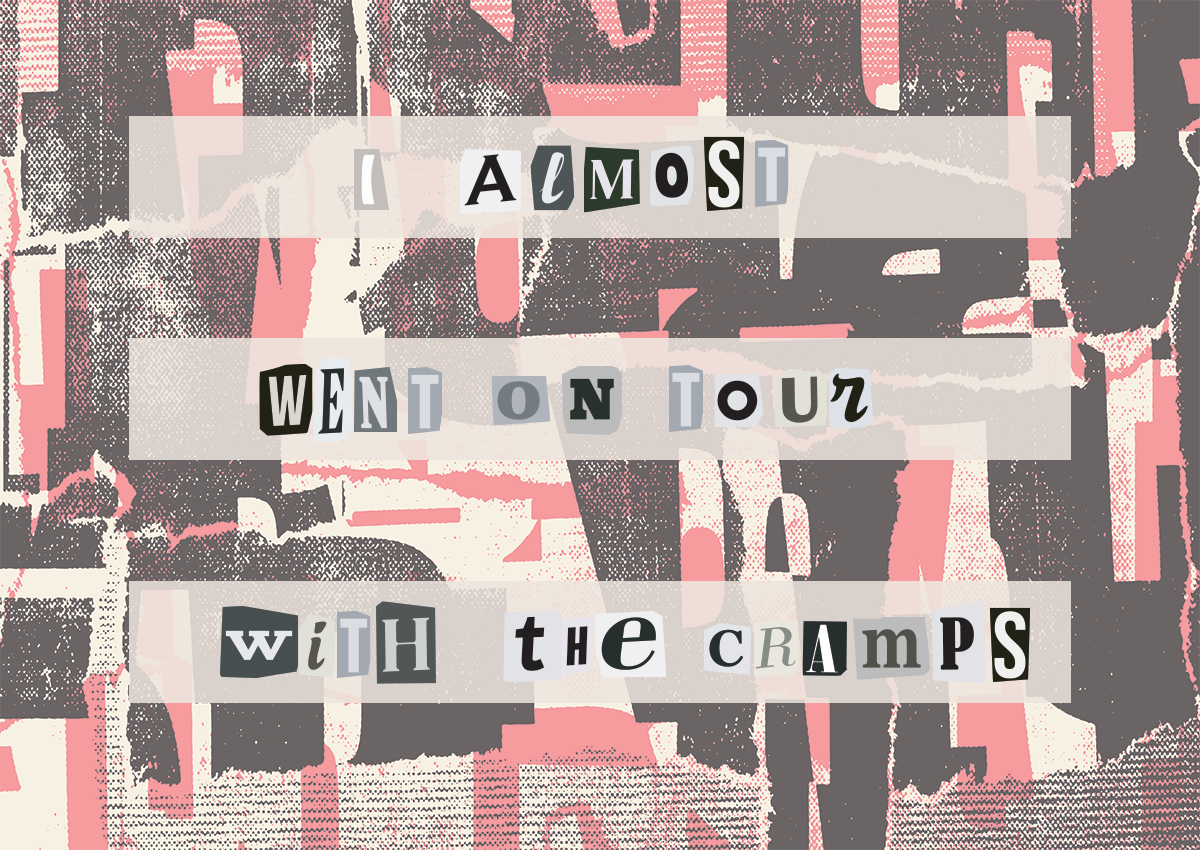
In the instructions to the LLM, I asked it to select poetry snippets that were compelling and visually evocative, yet could also stand on their own outside the poem’s context. This is something I struggle with when creating these images. Lines of poetry can be emotionally arresting, but they have to make sense even when read outside of the poem. For example, in this passage:
Embellishment or fantastical, here
in print we find the prototype night-shift
nurse cum burger flipper: a new-tier
specimen for times of plenty or thrift.
If you cut this snippet, it doesn’t make much sense
Embellishment or fantastical, here
in print we find the prototype night-shift
It makes more sense if you cut it this way:
nurse cum burger flipper: a new-tier
specimen for times of plenty or thrift.
Something that functions more as an epigraph than a snippet of the poem.
I chose to use Pillow to overlay the text on the image backgrounds because I didn’t want to overcomplicate this. There were a lot of other ways to accomplish it – through Photoshop APIs, etc. but for our needs, it’s a simple setup, simple architecture that gets us assets faster but keeps our judgment in the loop.
 VAQUITA DESIGN